
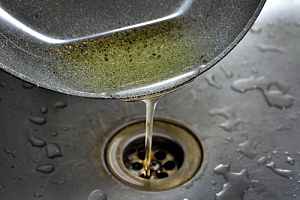
You could be wasting money right now if you are using hot water and dish soap to clean grease from your kitchen sink. What seems like a harmless way to get rid of grease actually harms your pipes. The grease turns back into a solid at room temperature and begins sticking to the sides of your pipes. As it builds up, it can cause serious plumbing problems. This can lead to reduced water flow, trapped food waste, and ultimately clogged pipes that are expensive to repair. Understanding how grease damages your plumbing can save you thousands of dollars in repair costs and help keep your drains working properly.
Why Drain Cleaning Matters
What Makes Grease Such a Risky Substance?
Grease is made of fats and oils. These materials appear as liquids when heated. However, as soon as they enter the cooler water inside your pipes, they begin to solidify. Every time grease is poured down the drain, it coats the inside walls of your plumbing. Over time, layer after layer builds up and reduces the space inside the pipe. At first, you may not notice a problem. Eventually, the restriction becomes severe enough to slow or completely block water flow.
The Worst Part About Grease: It Collects Everything
Grease isn’t only harmful by itself. It becomes even worse when food waste sticks to it.
Some common items that collect on grease include:
- Rice
- Pasta
- Coffee grounds
- Eggshell pieces
- Vegetable scraps
- Soap residue
As these materials travel through your plumbing, they stick to the greasy coating inside the pipes. Over several months, the blockage continues to grow. Before long, what started as a thin layer of grease becomes one of the leading causes of clogged pipes.
Myth #1: Running Hot Water Will Fix Clogged Drains
Running hot water after pouring grease down the drain is one of the biggest plumbing myths. Hot water may keep grease in liquid form for a short time. However, it doesn’t stay hot very long. By the time the grease reaches deeper into your plumbing system, it has cooled and hardened.
A better solution is routine drain maintenance. Professional maintenance is far more effective than relying on hot water to prevent grease buildup.
Signs Your Drains Need Attention
Warning Signs That You Have a Grease Clog
Grease clogs usually develop slowly. Because of this, many homeowners don’t realize a blockage is forming until symptoms appear.
Possible warning signs include:
• Slow kitchen sinks
• Water backing up into the sink
• Gurgling noises from the drain
• Unpleasant drain odors
• Frequent sink clogs
• Inconsistent water drainage
These signs often indicate that grease has started narrowing the inside of your pipes.
Addressing the problem early can help prevent more serious clogged pipes later.
Grease Can Damage Your Entire Plumbing System
Most people believe grease only affects the kitchen sink.
Once grease moves beyond your home’s drain lines and into larger sewer pipes, it continues collecting other debris. This includes wipes, paper towels, soap scum, and food particles. Large grease buildups have caused massive sewer backups in cities around the world. While residential buildup is usually smaller, it can still lead to sewer backups, expensive repairs, and emergency plumbing calls.
Routine maintenance helps remove grease before it creates larger plumbing problems.
Why Chemical Drain Cleaners Fall Short
Homeowners often reach for chemical drain cleaners when sinks begin draining slowly. While these products may temporarily improve drainage, they rarely remove thick grease buildup completely. Instead, they create a small opening through the blockage while leaving most of the grease behind.
Repeated use of harsh chemicals may also weaken older plumbing over time.
Professional service removes the entire blockage instead of temporarily masking the problem.
The Right Way to Dispose of Grease
Preventing grease clogs is simple. Instead of pouring grease down the sink:
• Allow grease to cool completely.
• Pour cooled grease into a disposable container.
• Throw the container into the trash.
• Wipe greasy pans with a paper towel before washing them.
• Use a sink strainer to catch food particles.
Following these simple habits greatly reduces the risk of developing clogged pipes.
How Professional Drain Cleaning Helps
Even with good habits, grease buildup can still occur over time. Professional plumbers use specialized equipment to safely remove grease without damaging your plumbing system.
Use up and down arrow keys to resize the meta box pane.
Depending on the severity of the blockage, services may include:
• Professional drain snaking
• Video pipe inspections
• Hydro jetting
• Sewer line inspections
Hydro jetting is especially effective because it uses high-pressure water to remove grease, sludge, soap residue, and debris from inside your pipes. Unlike temporary DIY methods, hydro jetting thoroughly clears the line while helping prevent future clogs.
Protect Your Plumbing Before Problems Start
Preventing plumbing problems is always easier than repairing them. Keeping grease out of your plumbing system protects your pipes and reduces the chances of sewer backups and premature drain wear.
If you’re experiencing slow drains, recurring sink clogs, or unpleasant odors, don’t wait for the problem to worsen. Fixing these issues early can significantly reduce repair costs.
AC Plumbing Construction provides expert drain cleaning services for residential and commercial customers throughout San Diego County. Whether you’re dealing with stubborn clogged pipes, recurring kitchen sink backups, or a clogged sewer line, our experienced team has the tools and expertise to restore your plumbing system. Contact AC Plumbing Construction today to schedule service and keep your drains flowing properly.
Use up and down arrow keys to resize the meta box pane.
Use up and down arrow keys to resize the meta box pane.